15 Questions to Ask Before Hiring an Interior Designer in Bangalore
Choosing an interior designer is one of the biggest decisions in any home project. You will trust this person with your budget, your timeline and the space you live in every day. Bangalore has no shortage of designers and design firms, from solo consultants to large studios, so how do you tell which one is right for you?
The answer is to ask the right questions before you sign anything. Here are the ones that matter most, grouped by what they help you find out.
Experience and fit
1. Can I see projects similar to mine?
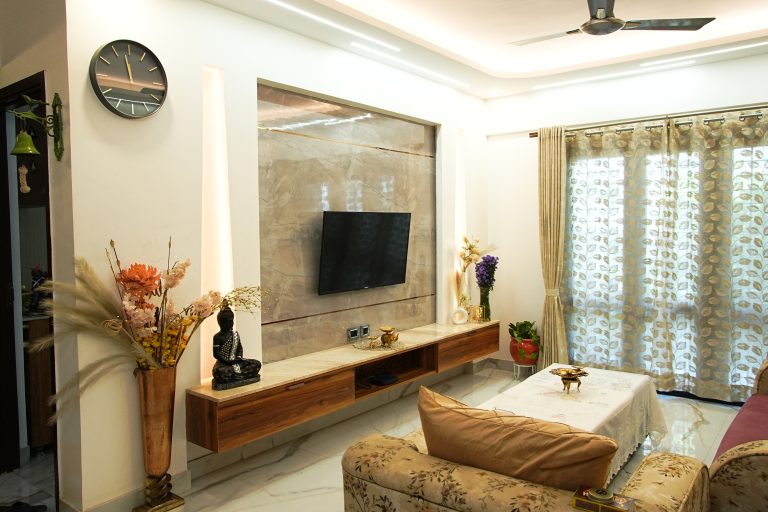
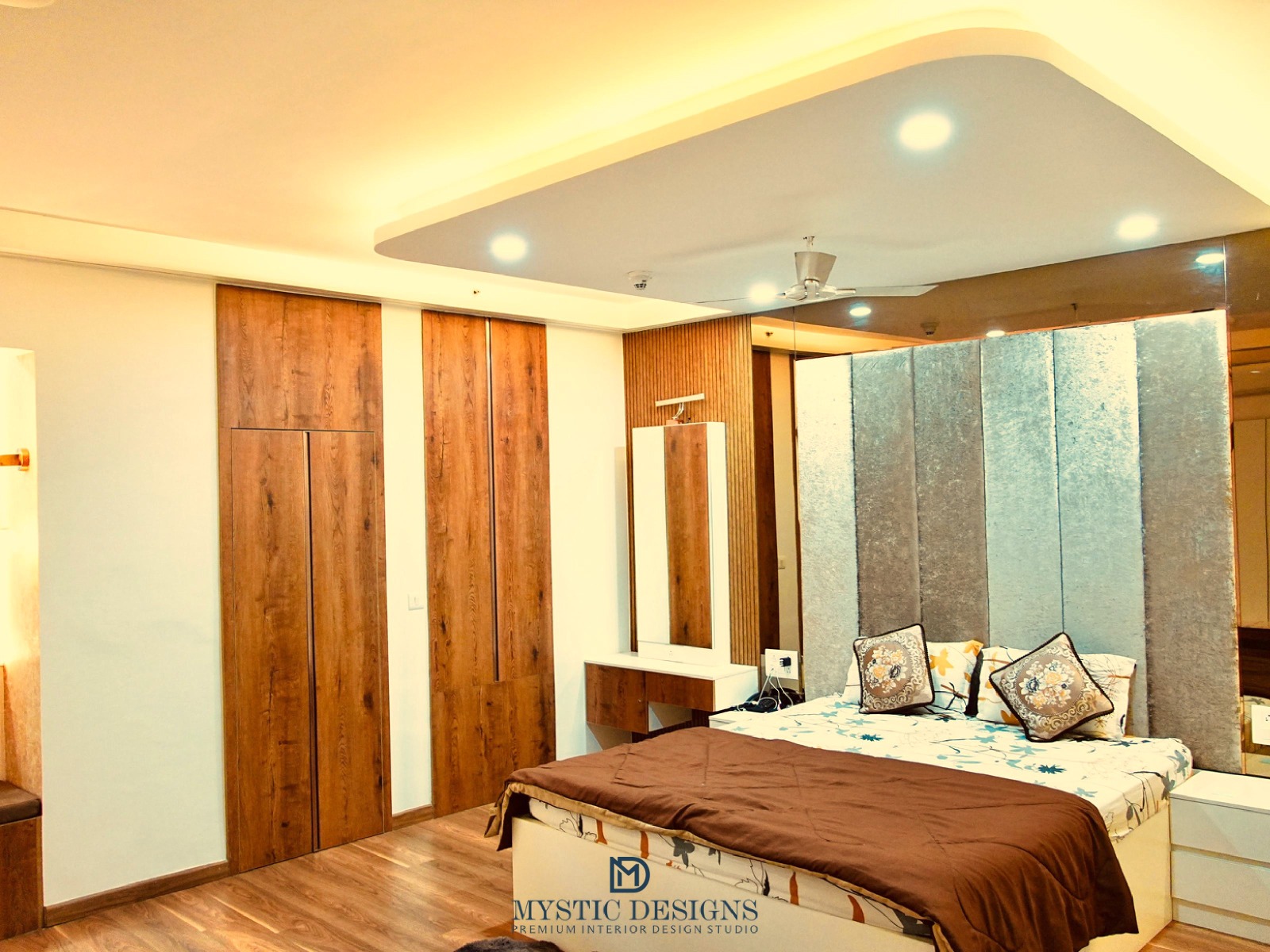
A beautiful portfolio is a start, but look for work that matches your project’s type and scale. A designer who mostly does compact 2 BHK apartments approaches a 5,000 sq.ft villa differently, and the reverse is also true. Ask for photographs of completed work, not just 3D renders.
2. Can I speak to a past client or visit a finished home?
An established designer will usually be able to connect you with a previous client. Ask that client about communication, how closely the final result matched the design, and how problems were handled.
3. How would you describe your design style?
Some designers have a strong signature look; others adapt to each client. Neither is wrong, but you should know which you are getting. If you love warm, minimal spaces and every project in their portfolio is bold and maximal, think twice.
Scope and services
4. Do you offer design only, or design and execution?
This is the single most important question. A design-only consultant gives you drawings and you manage the contractors. A turnkey firm designs, builds and hands over the finished space. Know which you want before comparing quotes, because the two are not priced the same way. Our guide What Is a Turnkey Interior Project? explains the difference in detail.
5. What exactly is included in your scope?
Ask for a written list. Does it include civil work, electrical and plumbing changes, false ceilings, lighting, modular kitchen, wardrobes, loose furniture, soft furnishings and décor? Anything not listed is likely to be an extra later.
6. Will I get 3D visuals and working drawings?
3D views help you picture the space before money is spent. Detailed working drawings are what the carpenters and electricians build from. You should get both, and you should sign off on them before work starts.
Budget and payments
7. How do you charge for design?
Designers may charge a flat fee, a rate per square foot, a percentage of project cost, or fold the design fee into an execution package. Understand the model so you can compare quotes fairly.
8. Is the quotation itemised, with brands and specifications named?
“Wardrobe — ₹X” tells you very little. A good quotation names the board material, laminate or finish, hardware brand and dimensions. This is how you compare like with like, and it protects you from quiet downgrades during execution.
9. What is the payment schedule?
Payments should be tied to clear milestones, such as design sign-off, material delivery and completion of each stage, rather than to dates on a calendar. Be cautious of very large advance payments before any work has started.
10. How are changes handled and priced?
You will almost certainly change your mind about something. Ask how changes are requested, approved and billed, and make sure every change is confirmed in writing before it is carried out.
Timelines and communication
11. What is the realistic timeline for my project?
Ask for a stage-wise schedule, not just a completion date. Find out what usually causes delays — material lead times, society approvals, festive-season labour shortages — and how the designer plans around them.
12. Who will be my point of contact?
Will you deal with the principal designer, a project manager or a site supervisor? How often will you get updates, and in what form — site visits, photos, weekly calls? Clear communication prevents most of the frustrations homeowners describe.
13. How often will the designer visit the site?
Design quality is protected on site. Regular visits by the design team, and not only by the contractor, are what keep the build faithful to the drawings. This is where dedicated project management makes a real difference.
Quality and after-care
14. What warranties do you offer?
Ask what is covered — joinery, hardware, workmanship, electrical work — and for how long. Get it in writing, and keep the manufacturer warranties for appliances and fittings too.
15. What happens if something goes wrong after handover?
A sticking drawer or a hairline crack in a ceiling should not turn into weeks of follow-up calls. Ask how service requests are handled and how quickly the team typically responds.
Red flags to watch for
- A quote that is far lower than everyone else’s, with few details.
- Reluctance to put scope, specifications or payment terms in writing.
- Pressure to pay a large advance immediately.
- A portfolio made up entirely of renders, with no photographs of finished work.
- Vague answers about who will actually be on your site.
Start with a conversation
The right designer will welcome these questions and answer them clearly. At Mystic Designs, led by Principal Designer Kunjal Dhabalia, we bring 18 years of experience in interior design and architecture to homes across Bangalore. Take a look at our portfolio, then book a consultation and bring your list of questions.